

Real voices, lived experiences
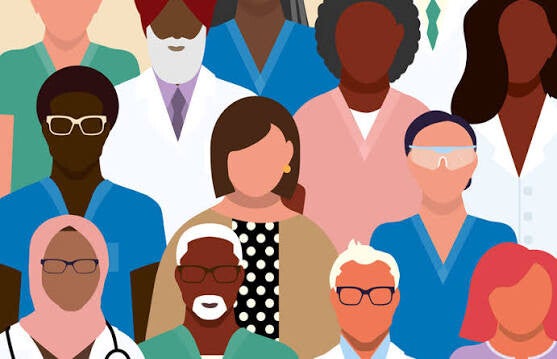
Good healthcare requires far more than applying identical procedures to every patient. These personal interviews feature college students and young adults in nursing, occupational therapy, and education who share their encounters with healthcare settings. Their honest reflections show us how assumptions around gender, cultural heritage, and language barriers influence care. Reminding us why truly seeing and hearing each individual is essential to healing.

"Sometimes I feel like people see my diagnosis before they see me. I want my healthcare providers to understand that I’m a person with goals, responsibilities, and a life outside of my diagnosis."
Undergraduate student, 20
Business Management
"My severe pain was repeatedly minimized as simple stress or anxiety. As a woman, feeling like your physical concerns are dismissed as emotional exaggeration makes you hesitate to seek help when you truly need it."
Graduate student, 24
Occupational therapy
"Providers made broad assumptions about my cultural habits without actually asking about my daily life. True patient advocacy begins when clinicians set aside stereotypes and ask questions with genuine curiosity."
Nursing student, 22
Rochester community member
"Taking just five extra minutes to look me in the eye, understand my background, and respect who I am transformed my care from cold clinical routine into real healing."
Anonymous interview participant, healthcare patient perspective
What I Learned From These Stories
Listening to these different experiences helped me see that feeling misunderstood can happen for many different reasons. Some people described experiences connected to gender, while others focused more on culture, language, or assumptions made by others. Although the experiences were different, a common theme was the importance of being listened to as an individual rather than being placed into a category or having assumptions made about them.
The interviews also reminded me that I cannot understand someone's experience simply by looking at them or knowing one part of their identity. Everyone brings their own background, experiences, beliefs, and needs into a situation. Hearing these stories made my enduring question feel more personal because I was not only learning about these issues through my courses and research—I was hearing how they can affect real people's lives.
Before Expiriential Learning
Before this experience, I understood that language could make communication more difficult, but I had not fully considered how much language, culture, and a person's comfort level can affect their experience as a patient. My Spanish courses taught me the importance of communication, while Transcultural Health had helped me understand that patients may have different cultural beliefs and expectations about healthcare. However, I had mostly thought about these ideas in a classroom setting.
During Experiential Learning
While working as a PCT and going through nursing clinical rotations, I cared for a families and patients that struggled for a variety of reasons to communicate. This experience made the connection between my coursework and real patient care much more obvious to me. I saw how important communication was to helping the patient and family feel comfortable and understand what was happening. My Spanish, Psych of Gender and Transcultural Care knowledge allowed me to make an effort to communicate and connect, even though I knew that speaking some Spanish does not replace the need for a professional medical interpreter when important medical information needs to be communicated.
After Experiential Learning
This experience made me think differently about what it means for a patient to feel cared for. Being able to communicate with someone is not only about getting information from one person to another. It can also help build trust and make a patient feel more comfortable asking questions or expressing their needs. My coursework gave me a better understanding of why these interactions matter, while my experience as a PCT showed me what those ideas can look like in real life.

Connecting My Experience to My Question
This experience helped me better understand my enduring question: How do culture, gender, and language shape the way people are seen, heard, and cared for? I learned that communication is a major part of making someone feel seen and heard, but effective care requires more than simply speaking the same language. It requires listening without making assumptions, respecting cultural differences, recognizing individual needs, and being willing to learn. My experience in clinical and as a PCT helped turn ideas I had learned in my courses into something I could recognize and apply in a real healthcare setting.